
By Liz Stevens, writer, Plastics Business
In plastics manufacturing, auxiliary equipment often works quietly behind the scenes – but its reliability is critical to keeping production lines efficient and profitable. Maintenance and replacement planning is a strategic necessity. Reviewing equipment performance during scheduled downtime – such as year-end – helps align maintenance, workforce and inventory with operational goals. Proactive budgeting and realistic planning help minimize downtime and extend asset life. With a structured approach to maintenance and lifecycle management, companies can safeguard productivity and avoid costly surprises. Plastics Business asked industry experts for advice on planning auxiliary equipment maintenance
and replacement.
Conair, Cranberry Township, Pennsylvania, supplies resin drying systems, blenders, feeders and material conveying systems, temperature control units and granulators, as well as gravimetric control systems, film and sheet scrap-reclaim systems, and downstream equipment. Conair’s service manager, Gerald Flemming, provided suggestions.
Frigel North America, Inc., East Dundee, Illinois, offers an array of options in process heating and cooling systems. For plastics manufacturing, Frigel serves the automotive, packaging, medical and technical molding sectors. Eric Thompson, North and Central America sales manager, delivered his input.
Globeius, Medley, Florida, supplies many assets for plastics manufacturing solutions, including end-of-arm tooling, mold handling and lifting, molds and mold maintenance, molding operations, plant maintenance and repair, and product and material handling. Graeme Sands, general manager, offered his insights.
AEC, New Berlin, Wisconsin, entered the market with chillers and cooling towers for challenging process cooling needs. The company has expanded its solutions and now offers packaged and central chillers, as well as solutions for blending, drying and conveying. Joe Platek, sales director, and Michael Tuchalski Jr., sales director, contributed their knowledge.
Why Auxiliary Equipment Planning Matters
What advice can be provided on planning for auxiliary equipment maintenance and drawing up replacement plans?
Flemming: The key to success lies in treating maintenance and replacement planning as an integral part of the overall production strategy. Maintenance sometimes is an afterthought and more reactive than proactive; a proactive approach always will yield better results. It is critical to plan a preventive maintenance program based on actual machine hours, environmental conditions and manufacturer recommendations. Regular inspections, reviews of service history logs and data from predictive tools, such as thermal imaging, can reveal impending issues. It is equally important to train operators and maintenance staff to recognize early warning signs in equipment and empower them to act quickly.
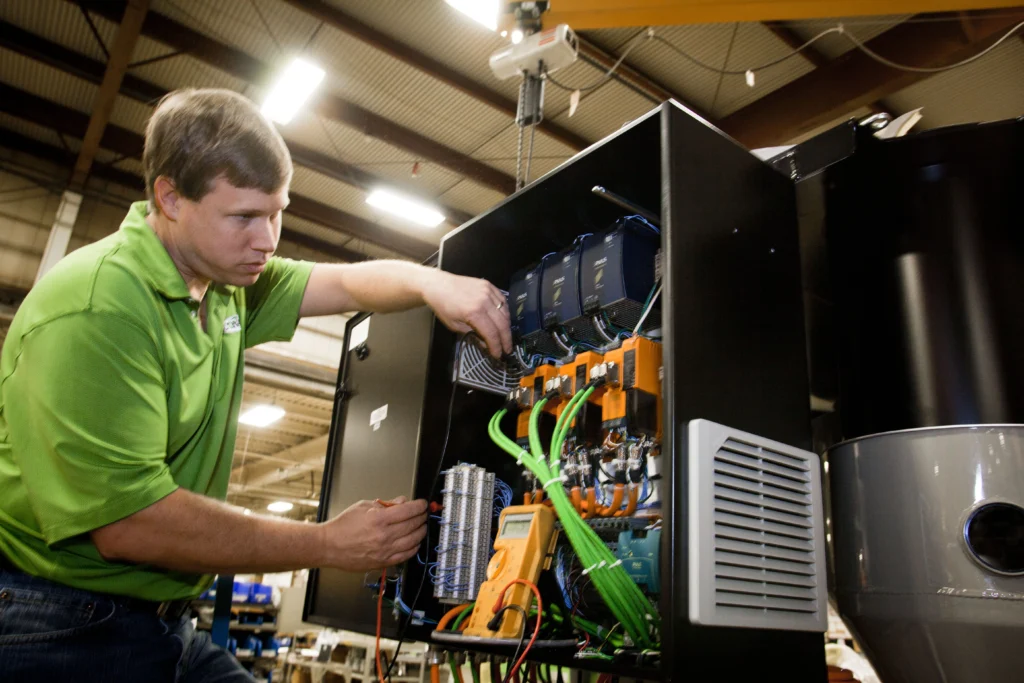
On the replacement side, processors benefit from creating equipment lifecycle plans. This involves maintaining records of equipment age, performance, repair costs and energy efficiency. Track the “crossover point” when maintenance costs exceed replacement value. Maintenance assessments help avoid emergency purchases.
The best advice is to view auxiliary equipment as a strategic asset. Proactive maintenance preserves uptime and product quality. Replacement planning reduces risk and positions the business to purchase new technology when the time is right.
Choose equipment that offers ease of set-up and usability for operators. Equipment must be properly installed and adjusted to meet performance requirements. Conair offers SureLaunch™ – a one-day visit by a technician for equipment installation, set-up, commissioning and operator training – to ensure peak performance from the start. Conair’s “Common Control” interface across equipment simplifies training and reduces operator errors.
To mitigate the persistent technical workforce gap in manufacturing, Conair offers periodic Machine Health Assessments (MHAs) and annual service agreements. MHAs evaluate the operating condition and repair/maintenance needs for a customer’s equipment. MHAs include condition reports and maintenance recommendations. Processors often use MHAs as the foundation for preventive maintenance programs. Annual service agreements can shift processors away from reactive, emergency maintenance and repairs – and unexpected expenses – to a more budget-friendly schedule of proactive, scheduled maintenance, operator training, and discounted parts and services.
Thompson: Don’t overlook the maintenance of auxiliary equipment, especially the water system. Water is the facility’s lifeline; poor maintenance can jeopardize the entire plant.
Proper stocking of commonly used spare parts is critical. Machines are robust but increasingly complex, and technology eventually will fail. Having spares on the shelf will limit unplanned downtime. For Frigel products, deciding what parts to stock is facilitated by our recommended spare parts list for each machine.
Sands: Near the end of the year, lead times typically increase for spare parts. Plan well in advance and order early. For replacement plans, get quotes on equipment so that these costs can be put into next year’s budget.
Platek: Planned maintenance is a big factor. Typically, the manuals for each product will include a baseline of required items. Maintaining equipment regularly will help machines run for years without a major failure.
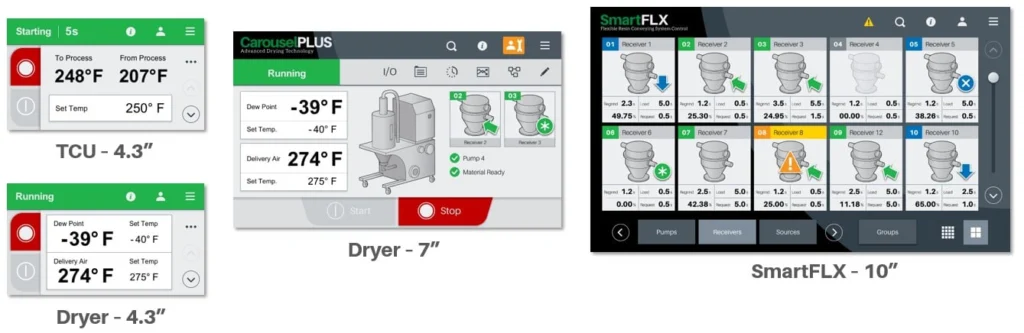
Tuchalski Jr.: Most AEC equipment includes a preventive maintenance (PM) schedule as part of the operation/instruction manual that can be broken down into weekly, bi-weekly, monthly, quarterly or annual tasks. Maintenance can be based on run hours. A part-time plant sees less wear than a 24/7 operation. On modern auxiliary equipment, an IoT platform such as MiVue® can schedule and assign maintenance tasks; it also can send email alerts based on scheduled PM events as well as events tied to run hours.
Timing a Review: Annual Checkpoints and Downtime Windows
Is it recommended to evaluate auxiliary equipment plans at a set time annually? Would year-end be a good time?
Flemming: The right timing for evaluating auxiliary equipment planning depends on the application, the production schedules and how the equipment is used
day to day.
For some processors, year-end or holiday shutdowns provide a natural window of downtime and align well with a review of the prior year’s maintenance, repair and replacement costs. Other operations may prefer mid-year or quarterly checks, especially with continuous or seasonal production. In these cases, waiting until year-end could mean missing opportunities to prevent downtime or to address wear issues earlier. Align planning with production cycles and usage patterns. A tailored schedule adds value beyond routine reviews.
Thompson: Following manufacturers’ recommendations is critical for the best possible product life cycle. Some equipment requires different maintenance depending on the season (winterization to prevent freezing, spring cleaning to deal with cottonwood buildup), while temperature control units may only require a yearly filter cleaning.
Frigel offers spare parts packages and maintenance programs to make budgeting and planning easier. Reviewing costs and monthly spending, along with a review of total yearly spend, is always good business practice. Monthly spending data can reveal trends in facility operations, while the yearly figure can give a snapshot of the total impact on the company.
Sands: Globeius feels that an annual review at a consistent time of year makes the most sense. A review during summer shutdowns can allow for more time to get quotes and components in before the busy end of the year. Shipping costs over Christmas/New Year always are the highest; ordering during this time period should be avoided.
Platek: If planned properly, replacement of auxiliary equipment can be a relatively quick swap: One component out and a new one in. But without proper planning, a component failure could lead to a plant shutdown while waiting for a replacement component to arrive.
Tuchalski Jr.: Scheduled shutdowns are a great time to tackle major system overhauls, refurbishments and retrofits, but they should not replace year-round planned maintenance. If an operation does not allow for ongoing maintenance, AEC recommends having an original equipment manufacturer (OEM) perform an equipment health assessment while the units are in operation or at changeover, to evaluate what components should be replaced during the next planned shutdown. Investing in a tailored preferred maintenance program with an OEM that provides health assessments and on-site assistance during planned shutdowns is another way to ensure that equipment is properly maintained and to guarantee that operators routinely learn about best practices.
Scheduling Periodic Maintenance: Best Practices for Reliability
What are best practices for scheduling periodic maintenance tasks?
Flemming: A good rule of thumb is to establish a beginning schedule from the manufacturer’s recommendations, then adjust it based on the plastics processor’s own experience. Track equipment performance and wear to spot patterns and to refine maintenance timing. Align maintenance with production cycles to minimize disruption. And review costs and downtime history so adjustments are data-driven. Flexibility is key; the best schedules are those that reflect how equipment is being used in an operation.
Thompson: Preventative maintenance cannot be overlooked. The manufacturer’s recommendations must be implemented into a regularly scheduled practice that becomes standard policy; planned downtime always is less costly than unplanned downtime. A processor can choose to take the time to fix problems now… or be forced to take the time later! Frigel’s planned service activities can provide scheduled maintenance on all of its products to make the task easy and keep the equipment running properly.
Sands: Regular maintenance checks on all Globeius equipment are recommended. The time between checks depends on the equipment.
Tuchalski Jr.: It is best to use the O/I manual to establish a baseline of planned maintenance and, over time, adjust the cadence of these tasks to meet the wear and demands of each process. No two processes are alike, but the required PM tasks are paramount in maintaining equipment. Being active vs. reactive always is more cost-effective; being reactive makes the costs compound quickly.
Resource Allocation: Technicians, Spare Parts and Realistic Planning
How can plastics processors be proactive and realistic in allocating workforce resources like technicians and material like spare parts?
Flemming: The key is to make use of the equipment’s baseline, which also serves as the foundation for anticipating workforce demands and stocking spare parts. By regularly reviewing and updating the baseline, processors can avoid reactive, last-minute scrambling and instead make informed decisions about staffing levels, training and inventory.
Processing plants often employ generalist maintenance personnel who have responsibility for everything from facility heating/cooling/utilities to machinery maintenance. Even the best personnel, however, are hard pressed to keep pace with rapid technological and electronic advancements in processing equipment. For that reason, more processors utilize services like Conair’s MHAs and annual service agreements for specialized, equipment-focused help.
Thompson: Take the time to understand the true cost of unplanned vs. planned downtime. Once this true cost is understood, the return on investment (ROI) of planned downtime should provide enough payback to easily cover the cost of proactive maintenance and spare parts on company shelves.
Sands: Having consistently planned preventative maintenance checks throughout the year is the optimal way to keep on top of equipment performance and longevity.
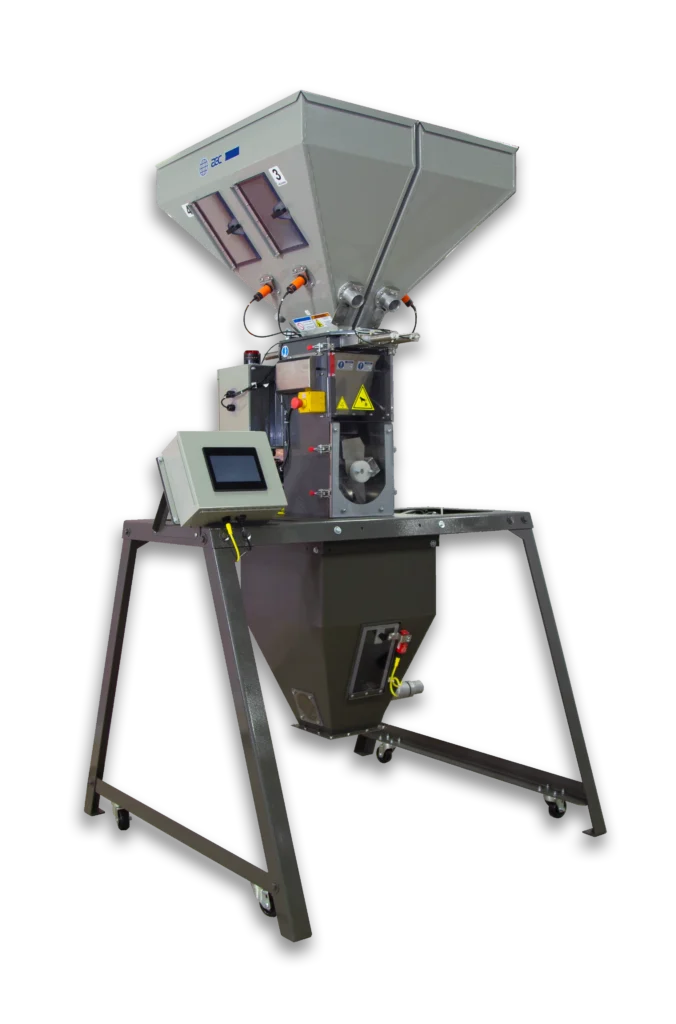
Platek: AEC provides component lists for each piece of equipment. It is recommended that companies keep those critical spares and consumables on hand in the event of a maintenance issue.
Tuchalski Jr.: A maintenance program that utilizes the OEM service staff is a great approach for customers with small maintenance crews or turnover in their maintenance staff. The programs can be customized to include on-site training, parts discounts and tech support, while ensuring that equipment operates as it should and that replacement items are purchased before failure. The OEM can help processors identify the wear items associated with each piece of equipment and what spare parts should be kept on hand.
Lifecycle Management: Extending Asset Longevity and Budgeting for Maintenance and Replacement
What advice can be provided for budgeting for auxiliary equipment maintenance and for the inevitable replacement of equipment? How can processors minimize downtime and ensure asset longevity?
Flemming: The cost of a good proactive maintenance plan will always be lower than the cost of unexpected downtime. Unplanned failures cause repair costs, idle machines and missed deliveries. Processors should dedicate funds for proactive maintenance based on manufacturer recommendations and the baseline data from the plant’s operations.
It is best to plan replacement reserves for equipment that is nearing end of life; this ensures that upgrades can be scheduled rather than forced by failure. Regularly review maintenance and repair history so that replacement
budgets reflect actual performance trends and help predict future needs.
Thompson: When the time comes that even planned downtime doesn’t prevent unplanned downtime, then the machinery likely is reaching the end of its useful life. Another point to consider is when spare parts start to become obsolete, which is more common with the rapid advances in electronics. When either of these factors comes into play, replacements need to be considered. New technology can justify the cost and improve ROI.
Sands: Stay on top of maintenance and order replacement equipment sooner rather than later. For equipment coming from overseas, note that lead times have gotten longer due to changes in the global economy.
Tuchalski Jr.: Budget for regular maintenance of equipment and OEM support in health assessments at a minimum. Regularly maintained equipment can last for decades. Regular health assessments can be used as predictive indicators for full replacement.
The Takeaway
Auxiliary equipment may not always take center stage, but its performance directly impacts production efficiency and profitability. By combining structured maintenance schedules, realistic resource planning and proactive budgeting, plastics processors can transform auxiliary equipment management from a reactive chore into a strategic advantage. Regular reviews during downtime help factor in costs, anticipate needs and reduce disruptions. A disciplined approach keeps the unseen backbone of operations strong and ready for growth.
More information: www.Conairgroup.com, www.Frigel.com, www.Globeius.com and www.aecinternet.com